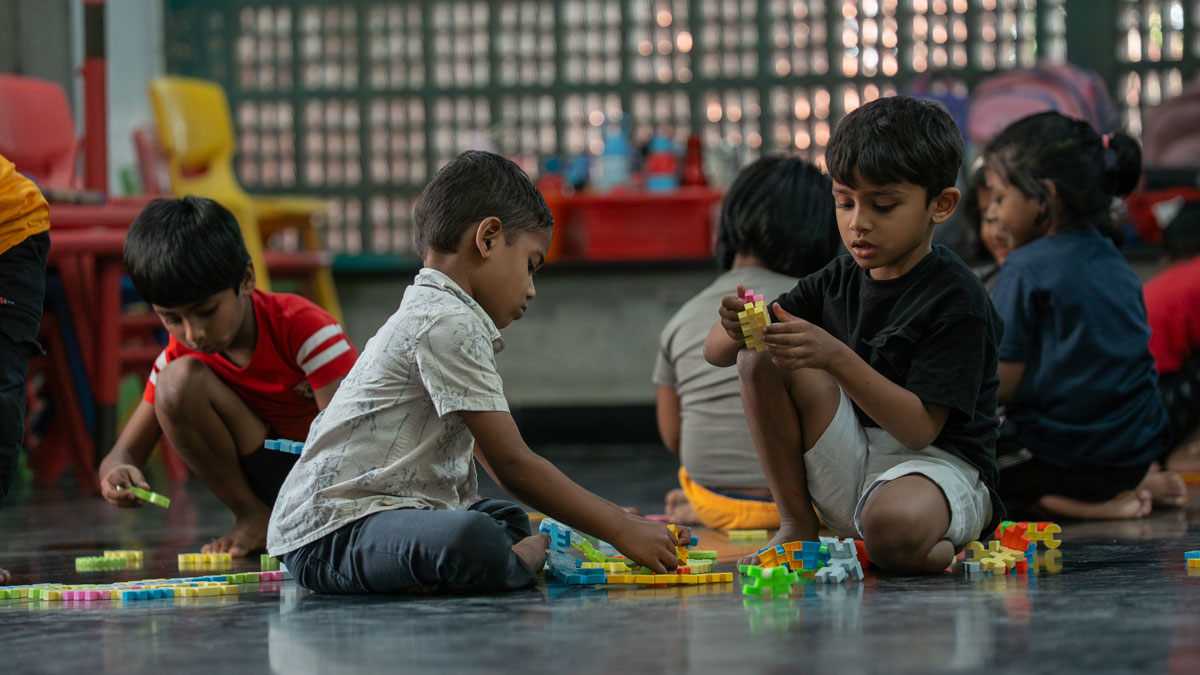
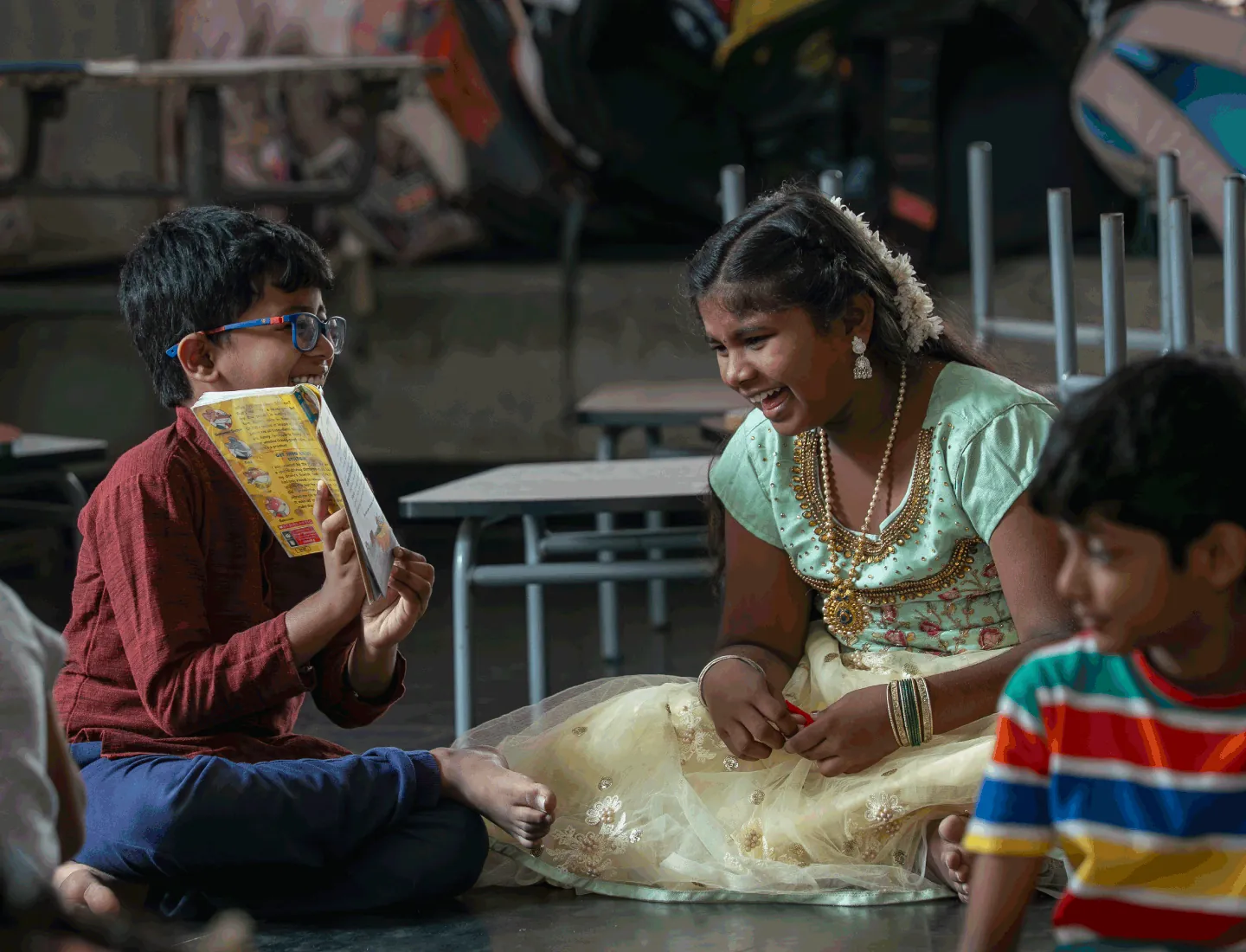
We are small, by choice — about 400 learners. That is not a statistic. It is a design decision. We have nearly 60 educators for these learners, so attention is not an exception; it is the default. It lets adults know children well, respond early, and build capability with patience.
Many schools focus on control. It looks efficient, but it quietly teaches children to comply before they learn to think. At HLC, we design for the opposite. We want children to ask better questions, learn how to learn, and treat people with care. That only happens when a child feels included, and when adults have the time to build growth rather than chase quick obedience.
Children change fast, and so should what school asks of them. We use a simple developmental arc to design the years from Kindergarten to Grade 12. It helps us decide what matters now, and what can wait.

If you only have a few minutes, start here. This is what we protect, what you will see in classrooms, and how to choose with clarity.

These are not slogans. These are routines and design choices that shape how children feel and how they learn.
We follow the Cambridge pathway for academic structure and progression. But the bigger work is what sits underneath it.
We teach children to plan, revise, write, think, and ask for help without shame. That is what carries them through exams, and beyond them.
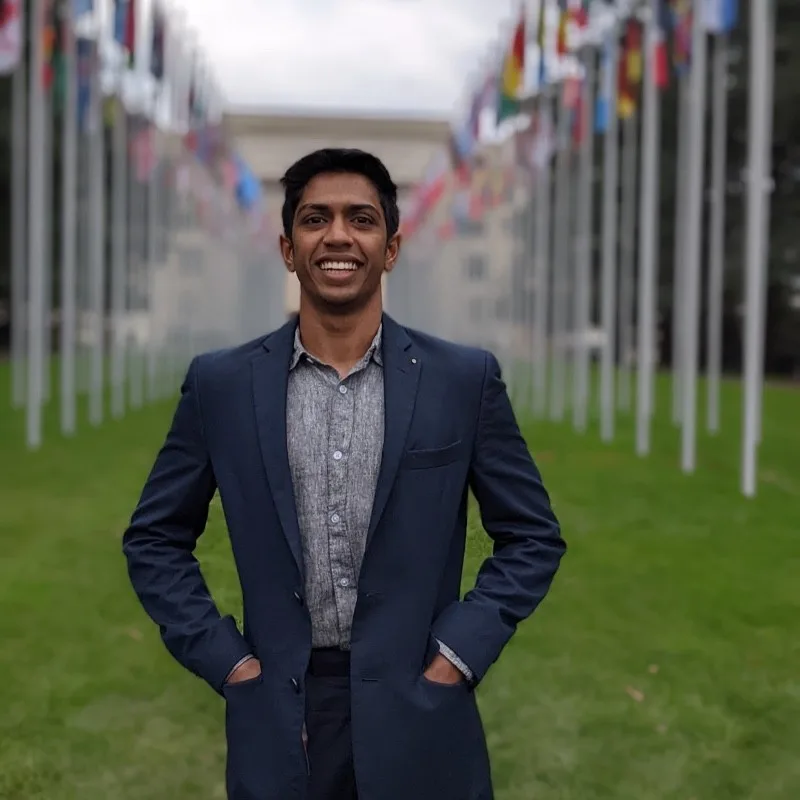
What graduates remember, years later
Yash Rajeshwar, in 2009
CEO, AuxoHub
Abhay Menon, in 2019
@ New York University
Laya Shankar, in 2019
@ Symbiosis University

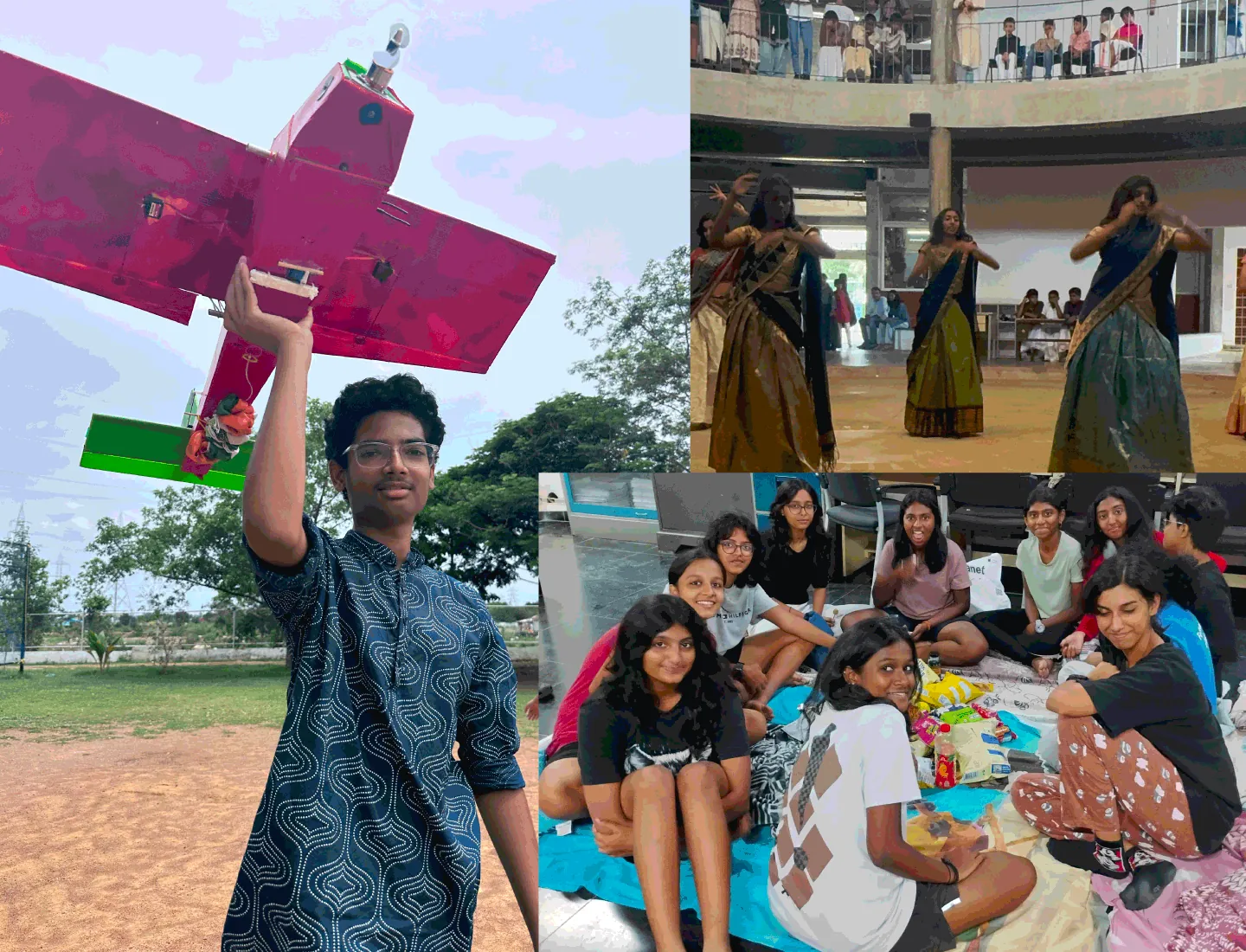
Over the years, HLC learners and facilitators have built initiatives in inclusion, sports integrity, public problem solving, and social entrepreneurship. This is one way children practice leadership before they are adults.
Kate Nash
An Enabler of Children

We don’t do walk-in visits. We begin with an online application, and invite families for a dialogue and an on-campus interaction when there is potential alignment.